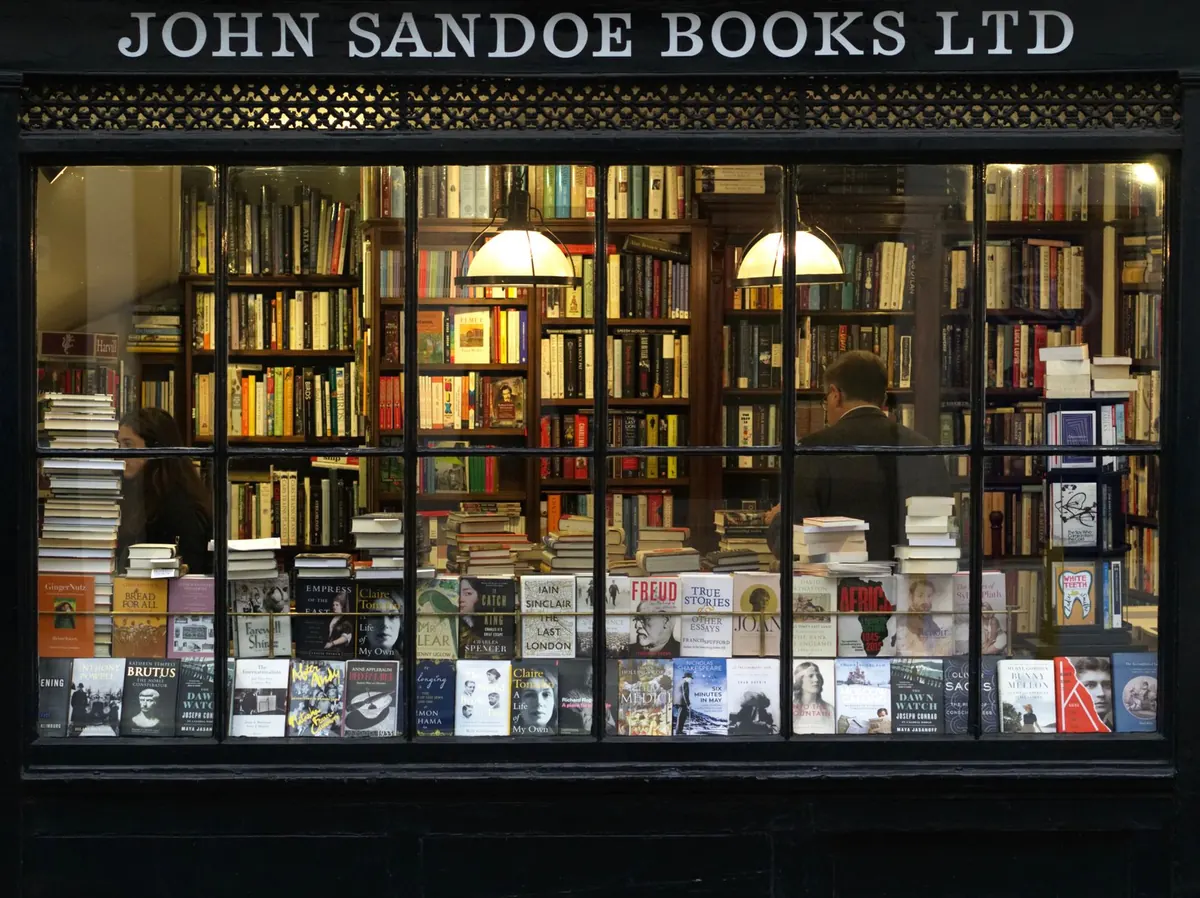
Walking into a bookshop with a box of your own books takes nerve. It also works. Independent bookshops are staffed by people who chose bookselling because they love books, and they are far more open to a local author than any algorithm will ever be. Openness is not a guarantee, though, and the authors who get repeat orders tend to be the ones who treated the first conversation as the start of a relationship rather than a transaction.
What follows is the practical version: what to prepare before you ask for anything, how to talk about terms without wincing, which events actually suit a small shop, and how to follow up so that you stay welcome.
Start with the shops you can actually visit
A useful list is a short list. Draw a radius around where you live, work or set your book — half an hour by car or train is realistic — and note every independent bookshop inside it. Ten to fifteen shops is plenty to begin with.
Then look at each one properly. Browse the shelves, not just the window. Do they stock fiction like yours, or children's books, or local history, or poetry? Do they run events? Do they have a table of local authors near the till? That table is your best clue about how they treat writers from the area.
Buy a book before you pitch one
Go in, browse, buy something, and have an ordinary conversation. Do not pitch on the first visit. Booksellers spend all day being asked for things; being a customer first changes the tone of the second conversation entirely. If you can, go back a second time and ask who handles local author enquiries and how they prefer to be approached — email, a printed sheet, or a quiet word when the shop is calm.
Have your information ready before you ask
Shops make quick decisions, and they make them on incomplete information. Give them everything at once and you make a yes easy.
- A book that exists in physical form, with an ISBN and a clear recommended retail price
- A one-page information sheet: cover image, blurb, format, price, ISBN, publication date and your local connection
- A short biography and a photograph you are happy to see printed
- Your terms in writing — discount offered, whether returns are accepted, minimum order, and how quickly you can supply
- An invoice or clear payment details, plus a note of your dispatch time
- Two or three event ideas written specifically for that shop
Keep the covering email short. One line on why this shop, one on the book, one on what you can offer, and a polite note that you will follow up in a week if you hear nothing. Attach the sheet. Do not send a PDF of the whole book.
If you are self-published, it helps to know that many shops order through a wholesaler rather than directly from an author. Being listed with one makes ordering routine for them. If that is not possible yet, say so plainly — plenty of independents will still take a small number of copies from a local author.
Sale-or-return, and the money conversation
Terms usually fall into two patterns. With outright trade, the shop buys stock at a discount and owns it; returns are limited or not accepted. With sale-or-return, the shop takes stock, pays you for what sells, and returns the rest, typically after an agreed period and often at the author's expense.
Whichever you agree, put it in a short email and ask them to confirm. Cover quantity, discount, the return window, who pays postage each way, when payment falls due, and what happens to copies that come back shop-soiled. Keep your own copy of the agreement, and expect returns to arrive looking less than new.
Be realistic about volume. Twenty copies placed well in one shop is a better result than a hundred sitting in a stockroom that will come back to you in six months. If the sums are significant, or the terms get complicated, ask an accountant or an author organisation for general guidance before you sign anything.
Terms do not have to be generous to be fair. They have to be clear, agreed in advance, and the same for every shop that asks.
Events that suit a small shop
A shop with two staff and forty chairs is not a venue, and it does not want to be. Design something that fits the room and the audience already there.
- A short reading and questions. Twenty minutes of reading, twenty of conversation, then stop. Long events empty a shop.
- A paired evening. Two local authors, one theme, one audience — half the promotion work for each of you.
- A workshop. People pay for a session where they leave having written or made something.
- A themed night. Crime, nature writing, a poetry open mic, a local history talk — whatever the shop already sells well.
- A signing, not an event. Low effort for staff, and it moves stock if you publicise the time properly.
- A festival tie-in. Piggyback on something already happening in the town.
Ask what they need rather than announcing what you will do. Confirm how many copies they will order, who is handling publicity, and whether refreshments are involved. Then do your share: posters, a mention to your own mailing list, a social post that names the shop. Arrive early, buy a book, and thank the staff by name.
Follow up without becoming a nuisance
Wait a week, then send one short message. If the answer is no, ask whether you can check back in six months and mean it. If the answer is yes, the follow-up that matters most is a stock check — three or four months later, ask whether the copies are moving and whether they would like more.
Keep a simple record: shop, contact name, terms, quantity supplied, date supplied, last contact, next step. Send a thank-you note after every event. Pass on news of a reprint, a review or a shortlisting only when it is genuinely relevant to that shop. Buy from them. Turn up to their events. Mention them to other readers.
A last look before you walk in
Book in hand. One-page sheet printed and emailed. Terms written down. Two event ideas tailored to the shop. A name to ask for. A diary note to follow up in a week. That is everything you need and nothing you do not.
The authors who build lasting relationships with independent bookshops are rarely the ones with the biggest budgets. They are the ones who are easy to deal with, clear about terms, generous with their own audience, and still saying hello a year later.
Photo: Tuur Tisseghem / Pexels