The first book in a series is easy to hold in your head. You know what your detective did in chapter nine because you wrote it three weeks ago, and you can still picture the flat above the shop. By book three you will be hunting through old files, wondering whether the sister was called Ellen or Helen, and whether it rained at the funeral.
A series bible is the fix. Not a pitch document, not a synopsis, but a working reference: the place where you record what the books have already committed to, and what you intend them to commit to later. Built well, it takes minutes a week and saves you months of rewrites.
Decide what the series promises
Series come in shapes. One protagonist across linked cases. A family across forty years. A shared world with a different narrator each time. The shape decides what the bible has to protect.
Write the promise in a sentence or two. Something like: Every book closes its own case, but the question of who paid for the fire stays open until book four. That sentence is the spine. It tells you which threads must be tied off in each book and which must stay loose.
Then set the rules. No magic. Magic costs something physical. One point of view per book. Whatever yours are, they belong at the top of the file, because a rule invented in book one becomes a constraint in book five.
Track characters in layers
Most bibles begin with eye colour and birthday. Those details rarely cause the errors readers notice. What they notice is a brisk character turning sentimental, a surgeon fumbling basic anatomy, or a woman who has stopped mentioning the brother she adored in book one.
For every named character, record:
- Role and arc: one line on why they exist and where they end up.
- Voice markers: three words they would use, and two they never would.
- Wants: what they want from the whole series, and from this book specifically.
- History: the facts from their past that have appeared on the page.
- Specifics: scars, handedness, accent, the car they drive, how they take their tea.
- State at the end of each book: injured, employed, married, estranged, dead.
The knowledge ledger
Secrets drive series plots, and secrets depend on who knows what. Keep a short ledger for anything held back: the letter, the affair, the identity of the buyer. Note who knows, when they learned it, and who believes something false. This single page prevents more plot holes than any other part of the bible.
Deaths, departures and absences
List everyone who leaves the story, however minor. A character who moves to Aberdeen in book two cannot appear at a wedding in book three without explanation, and readers will remember even when you do not.
Keep a timeline that stretches across books
Write down the dates, both absolute and relative. If book one ends in October, book two must begin somewhere the consequences allow: the inquest, the cast, the broken arm. Watch the ages of children. A nine-year-old in book one is not fifteen two summers later unless that is the point.
A running list works well: season, month, elapsed time since the previous book, plus fixed dates such as hearings, harvests, exam results or anniversaries. Add a note on the weather. It is surprisingly common for a series to produce three consecutive Julys.
Settings: record what you have already invented
Readers build a map in their heads, and contradictions show up immediately. Keep a page per location: the layout, the distances, how long it takes to walk from the station, the name of the pub, which side of the square the church sits on.
Record the small institutional details too: who runs the local paper, the name of the school, the shift patterns at the hospital. If you invented a street in book one, it exists in book four whether you remember it or not.
Note what you have deliberately left vague, as well. If you have never said how far the village is from the coast, write that down, so you do not accidentally fix it at twelve miles in a later draft.
Track unresolved threads and planted details
Keep two lists, separately.
- Open questions: what the reader has been asked to wonder about. The missing will, the midnight phone call, the colleague who lied about the rota.
- Planted details: objects, names and remarks you dropped in casually with a plan for them later.
Twice a year, audit both lists. Mark each item as resolved, still open, or abandoned on purpose. Abandoning a thread is a legitimate choice; forgetting one is not.
A reader who spots a dropped thread will not necessarily stop reading. They will simply trust you a little less in the next book.
Choose a format you will actually update
The best bible is the one you open. A spreadsheet handles characters, dates and locations well because you can sort and search it. A single document is easier to read in one sitting. Index cards suit writers who plan on a wall. Any of these works; an elegant system you avoid does not.
Build it as you draft
Add new facts the day you invent them, with the chapter number beside them. Reconstructing a bible from a finished manuscript is possible, but it is tedious work you can avoid.
Keep a contradictions register
Sometimes a later book needs to change an earlier fact. Fine. Write the change down, decide whether to revise the earlier book or explain the difference on the page, then move on. The register stops the same contradiction creeping back into draft four.
A habit that takes ten minutes
After each writing session, add whatever you invented that day: a new surname, a train time, a bruise that will still be there next week. It takes less time than deciding where to put a scene you have already written.
Before you begin a new book, read three things and nothing else: the character sheets for everyone who appears, the open questions list, and the timeline entry for the previous book's ending. That is the whole ritual, and it will keep you honest.
Your bible will never be tidy. It is a working notebook, not a monument, and it should look like one: half-finished columns, crossings-out, a note to yourself about a hat. Treat it as scaffolding rather than scripture, and it will quietly hold up five books without you ever having to remember whether it was Ellen or Helen.
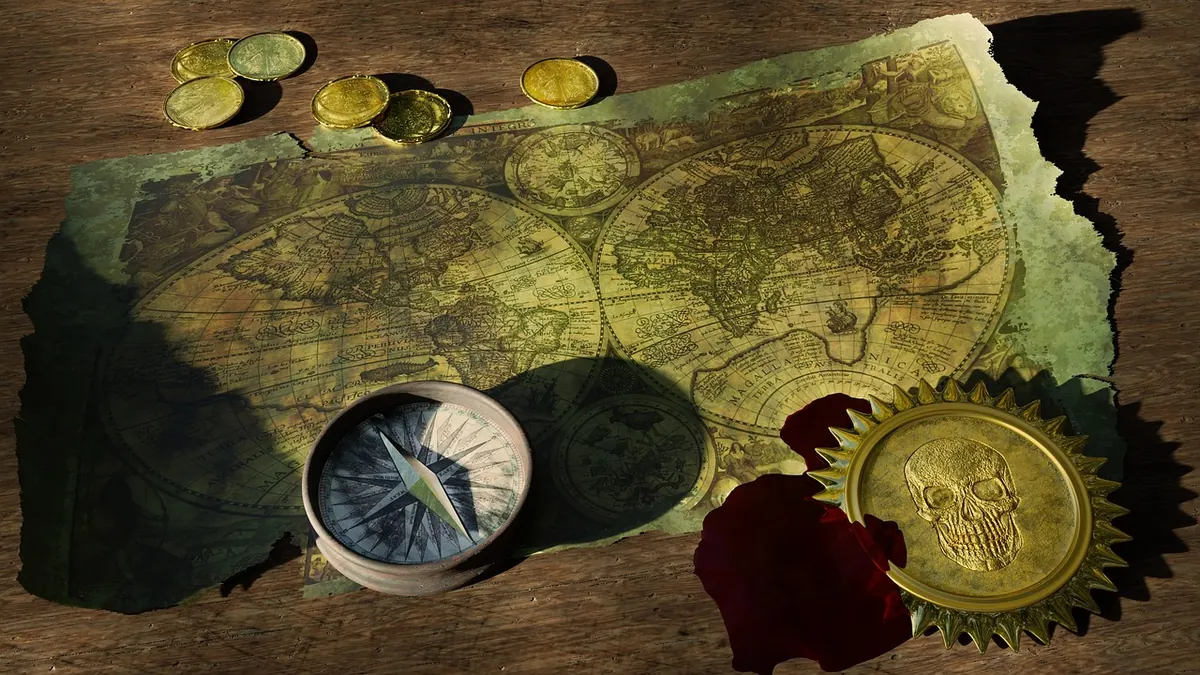
Photo: MasterTux / Pixabay